How Often Are Glutathione Injections Typically Administered?
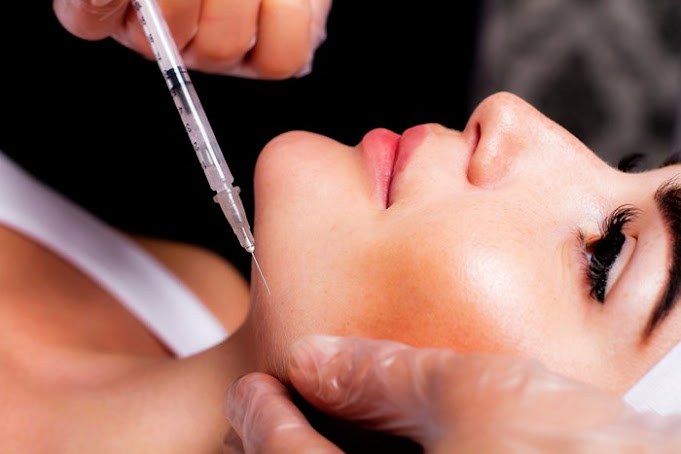
Glutathione injections are becoming a popular option for individuals seeking to support skin health, improve antioxidant levels, and achieve a brighter-looking complexion. However, understanding the appropriate administration schedule is essential for achieving desired results safely. The frequency of Glutathione Injections in Dubai depends on several factors, including individual skin concerns, health conditions, treatment goals, and the body's response. At Dynamic Life Clinics, treatment planning should focus on individual needs, with professional guidance helping determine whether glutathione injections are appropriate and how frequently they should be administered. Although some people follow regular sessions, there is no universal schedule suitable for everyone.
Understanding Glutathione Injections
Glutathione is a naturally occurring antioxidant produced by the body. It consists of three amino acids: glutamine, glycine, and cysteine. Its primary function is to protect cells from oxidative stress caused by free radicals and support various processes involved in maintaining cellular health. Glutathione also participates in liver-related detoxification pathways and helps maintain the balance of other antioxidants within the body. Glutathione injections deliver this antioxidant through an injectable route rather than relying on oral supplementation. They are sometimes promoted for skin brightening and overall antioxidant support. However, the evidence supporting cosmetic benefits, particularly skin lightening, remains limited, and results are not guaranteed.

How Often Are Glutathione Injections Typically Administered?
The administration frequency of glutathione injections varies depending on the individual's treatment goals, medical history, and professional assessment. Some cosmetic treatment providers advertise weekly or more frequent initial sessions, followed by less frequent maintenance appointments. However, these schedules are not universally established medical guidelines, and there is insufficient high-quality evidence to recommend a standard injection frequency for cosmetic purposes. A qualified healthcare professional should evaluate the individual's suitability before establishing any treatment plan. The dosage, route of administration, and interval between sessions should be determined according to medical considerations rather than following a fixed schedule. Regular reassessment is also important to evaluate whether continuing treatment is appropriate.
Factors That Influence the Frequency of Glutathione Injections
Several factors can influence how frequently glutathione injections may be considered. Understanding these factors helps individuals make informed decisions and avoid unrealistic expectations about treatment results.
1. Individual Treatment Goals
The reason for considering glutathione injections plays an important role in treatment planning. Some individuals explore them for antioxidant support, while others are interested in their potential cosmetic effects, such as improving uneven skin appearance. Different goals may require different medical considerations. A healthcare professional should first understand the expected outcome and explain whether the treatment has sufficient evidence to support it.
2. Overall Health and Medical History
An individual's general health can influence their suitability for injectable glutathione. Existing medical conditions, allergies, medication use, and previous reactions to injectable products should be discussed during consultation. These factors help healthcare professionals assess possible risks and determine whether treatment should be avoided or approached with additional precautions.
3. Dosage and Formulation
The amount of glutathione administered and the formulation used can influence treatment considerations. Higher doses do not necessarily produce better cosmetic results and may increase the possibility of adverse reactions. Only a qualified medical professional should determine whether an injectable formulation is appropriate and what dosage, if any, is suitable.
4. Individual Response to Treatment
People may respond differently to glutathione injections. Factors such as metabolism, overall health, and individual biological differences can influence how the body responds. Some individuals may notice no visible cosmetic changes, while others may report differences in their skin's appearance. Treatment should be reassessed rather than automatically increased when results are not noticeable.
What Happens Between Glutathione Injection Sessions?
The period between potential injection sessions is important because it allows healthcare professionals to monitor the individual's response and identify any unwanted effects. During follow-up appointments, the provider may review general health, discuss any side effects, and determine whether further treatment is medically appropriate. Individuals should also communicate any changes they notice after an injection, including skin reactions, discomfort, or unusual symptoms. It is important not to schedule additional injections independently or shorten the interval to achieve faster results. A medically supervised approach helps reduce avoidable risks and ensures that decisions are based on the individual's response rather than promotional treatment schedules.
Important Considerations Before Starting Glutathione Injections
Before considering injectable glutathione, individuals should understand that its cosmetic benefits are not firmly established. The treatment is not a guaranteed solution for pigmentation, uneven skin tone, or general skin concerns. Injectable products can also cause adverse reactions, including allergic responses, injection-site complications, and other potentially serious effects. Product quality, preparation, dosage, and administration standards are important safety considerations.
Here are some important points to discuss with a healthcare professional before treatment:
Medical Assessment: Review your medical history, existing health conditions, allergies, and current medications before considering injections.
Treatment Expectations: Understand that skin-brightening results are uncertain and may vary between individuals.
Product Quality: Ensure that any injectable product is appropriately sourced, regulated, and prepared according to medical standards.
Possible Side Effects: Discuss potential reactions, including swelling, discomfort, rashes, and allergic responses.
Follow-Up Care: Attend recommended reviews and report any unusual symptoms rather than continuing injections without professional guidance.
Signs That Your Treatment Plan May Need Reassessment
A glutathione injection plan should not remain unchanged if an individual's health, expectations, or response to treatment changes. Regular medical reviews help determine whether continuing is appropriate. Certain symptoms may indicate that further injections should be postponed until a healthcare professional evaluates the situation.
Consider seeking medical advice if you experience:
Persistent redness, swelling, or discomfort around the injection site.
Unusual skin reactions or the development of a rash.
Nausea, dizziness, or other unexpected symptoms following treatment.
Signs of an allergic reaction, including facial swelling or difficulty breathing.
No noticeable improvement despite repeated sessions and increasing treatment expectations.
Severe allergic symptoms, particularly breathing difficulties or swelling of the throat, require immediate emergency medical attention.
Frequently Asked Questions
1. Can Glutathione Injections Be Administered Every Week?
Some cosmetic providers advertise weekly glutathione injection schedules. However, weekly administration is not an established universal medical recommendation. The appropriate frequency, if treatment is considered suitable, should be determined by a qualified healthcare professional after assessing individual needs and potential risks.
2. How Many Glutathione Injection Sessions Are Needed?
There is no scientifically established number of sessions required to achieve cosmetic results. The number of injections depends on the medical purpose, individual circumstances, and professional assessment. Some individuals may not experience noticeable skin-related benefits, even after multiple sessions.
3. Can I Increase the Frequency for Faster Results?
Increasing injection frequency without medical supervision is not recommended. More frequent administration does not guarantee faster or better results and may increase the risk of side effects. Always follow the guidance of a qualified healthcare professional.
4. Are Maintenance Sessions Necessary After Glutathione Injections?
There is no established maintenance schedule for cosmetic glutathione injections. Whether additional sessions are appropriate depends on the individual's circumstances and medical evaluation. Maintenance injections should not be considered necessary or automatically scheduled without a clear medical reason.
5. Is It Safe to Continue Glutathione Injections for a Long Time?
The long-term safety of repeated injectable glutathione use for cosmetic purposes has not been adequately established. Repeated administration may expose individuals to potential adverse effects. Discussing the benefits, uncertainties, and risks with a qualified medical professional is important before considering continued treatment.
Conclusion
Glutathione injection frequency varies according to individual health, treatment expectations, and professional recommendations. Although some providers advertise weekly sessions followed by maintenance treatments, there is no universally accepted schedule or established cosmetic dosing protocol. Factors such as medical history, dosage, product quality, and individual response should always be considered before proceeding. Individuals exploring Glutathione Injection Treatment in Dubai should prioritise medical assessment, realistic expectations, and appropriate follow-up care. Rather than focusing on the number of sessions or increasing treatment frequency, the priority should be understanding the potential benefits and risks and determining whether injectable glutathione is a suitable option for individual needs.

Comments
Post a Comment